
General Care Tips
A quick guide to husbandry, supplies, supplements, and other tips & tricks
No matter the species you keep, many aspects of reptile and amphibian care overlap. Enclosures, fixtures, lighting, thermostats, substrate, hides, and enrichment all follow similar principles. This guide covers the basics of husbandry and care to help you get started and answer common questions along the way.
Reptile Keeping Essentials
Herp care is tricky because reptiles and amphibians are not domesticated and adapted to our climate the way that dogs and cats are. Because of this, we need to constantly monitor their habitats to keep them happy and healthy.
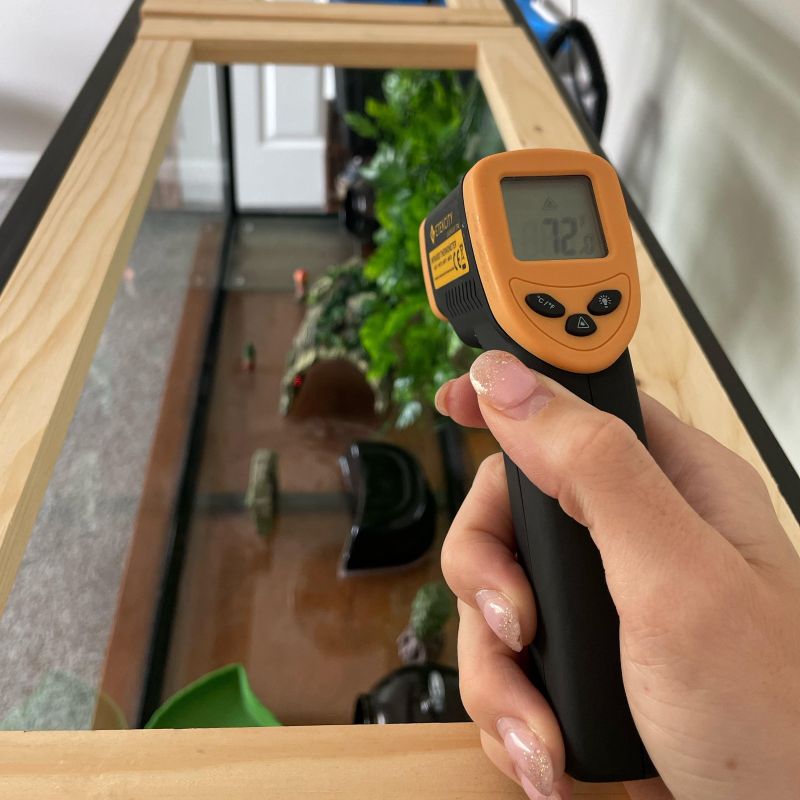
Infrared Thermometer Gun
Skip the large, stick-on, plastic thermometers. They’re notoriously inaccurate and only read one spot. Instead, every reptile keeper should have an infrared temp gun. They’re more reliable and let you check temperatures anywhere in the enclosure.
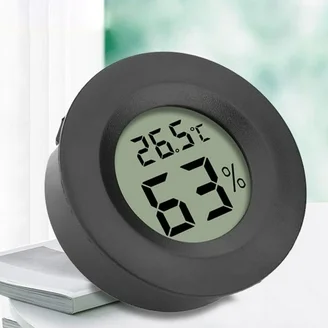
Hygrometer (Humidity Gauge)
Hygrometers are essential for monitoring humidity. Similarly to gauging temperature, stick on temp/humidity gauges typically aren’t nearly as accurate as a digital hygrometer. Plus they’re cheap! We recommend using two or more and placing one by the substrate and the second one elevated a little higher for accurate results.
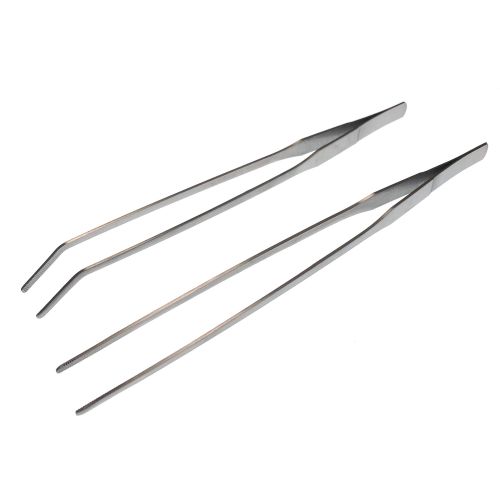
Tongs
Tongs are essential for food handling, though the style may vary based on who you’re feeding. For snakes you may want a larger, sturdier pair of tongs, and some even have a grip similar to a pair of scissors. When feeding insectivores you might want a smaller pair of tongs for more precise insect handling. and for more aggressive eaters like African Bullfrogs or tegus you may want rubber tipped tongs to prevent injury.
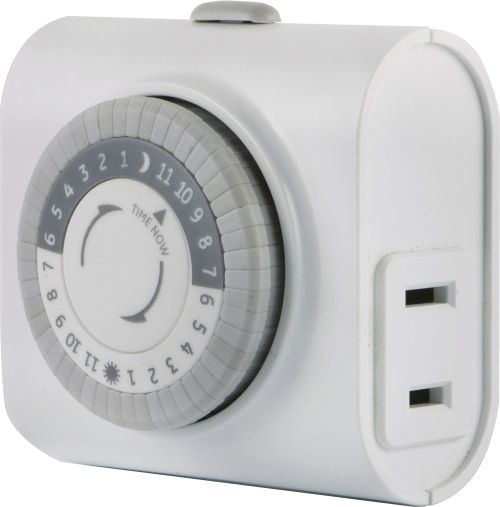
Outlet Timer
Timers automatically turn lights on and off on a set schedule, keeping day and night cycles consistent. This is more reliable than flipping switches by hand, which is easy to forget or mistime. Smart plugs add the bonus of remote control and quick schedule changes if needed.
Enclosures
There are many enclosure options available, and because the enclosure is one of the more permanent parts of husbandry, it’s important to do your research and invest in the right setup from the start.
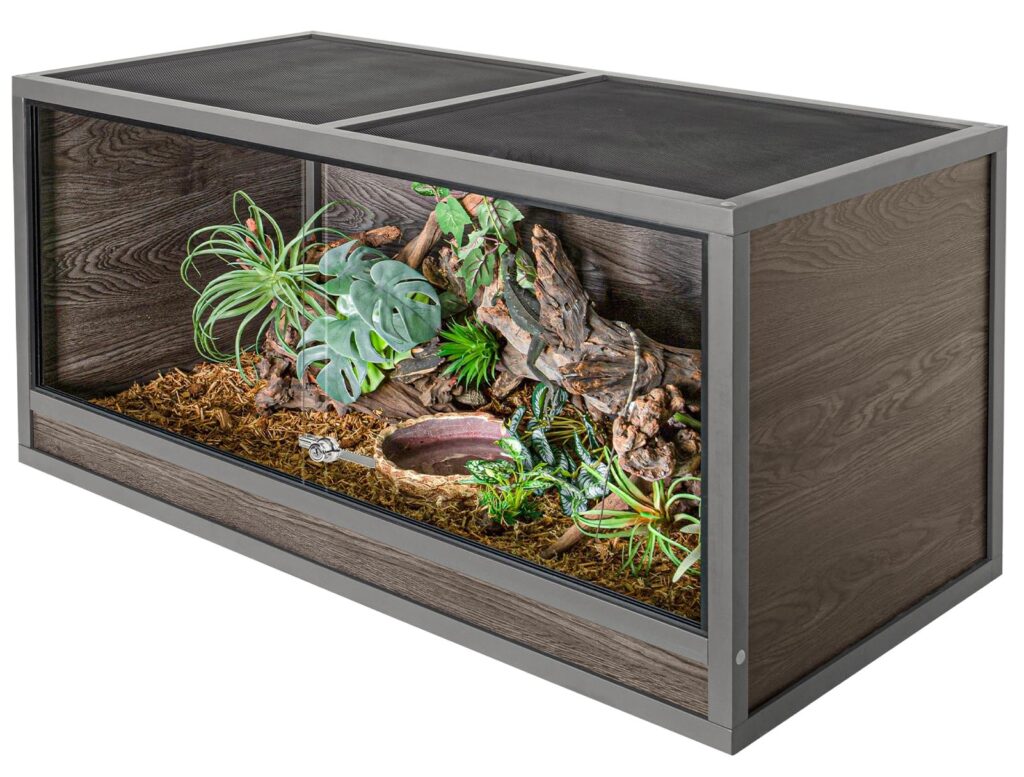
Materials
- Glass – The most common and generally affordable option, but it doesn’t insulate well and can crack during moves.
- PVC – Lightweight and well insulated, with no risk of cracking. New enclosures often require assembly and are typically not used with heat mats.
- Wood / Particle Board – DIY enclosures built from wood or repurposed furniture are a budget friendly way to create custom setups. Wood insulates well, but care should be taken to prevent water damage.
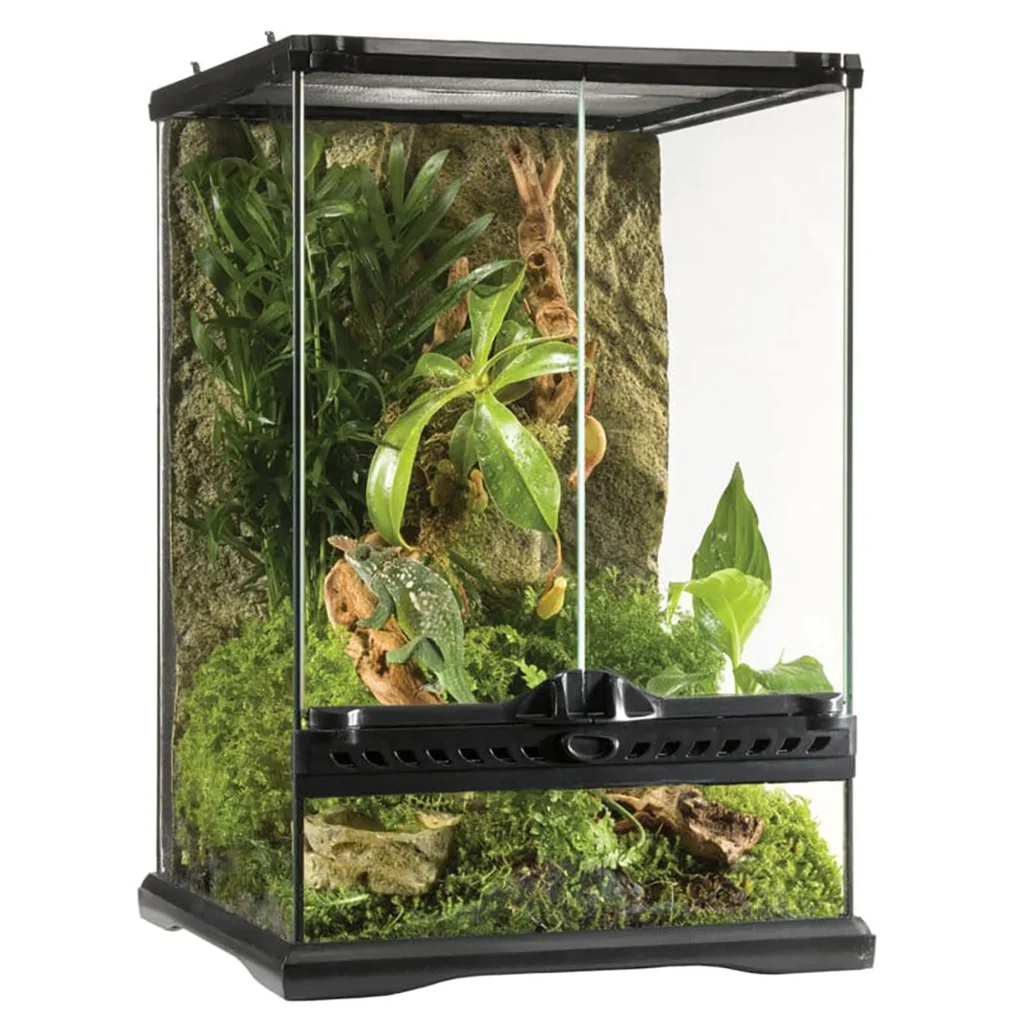
Sizing & Dimensions
- Horizontal / Vertical – Consider whether your species is arboreal or terrestrial, as some animals need height to climb while others need floor space to move.
- Space – When choosing a size, consider how large your animal is, how active they are, and whether the enclosure allows for a full temperature gradient and microclimates. (TIP: bigger is always better)
- Dimensions – 40 gallons is 40 gallons, right? WRONG. If your bearded dragon’s tank is 4ft wide but only 1ft deep they won’t have room to turn around properly. Generally a 2-1-1 ratio is best for most animals.
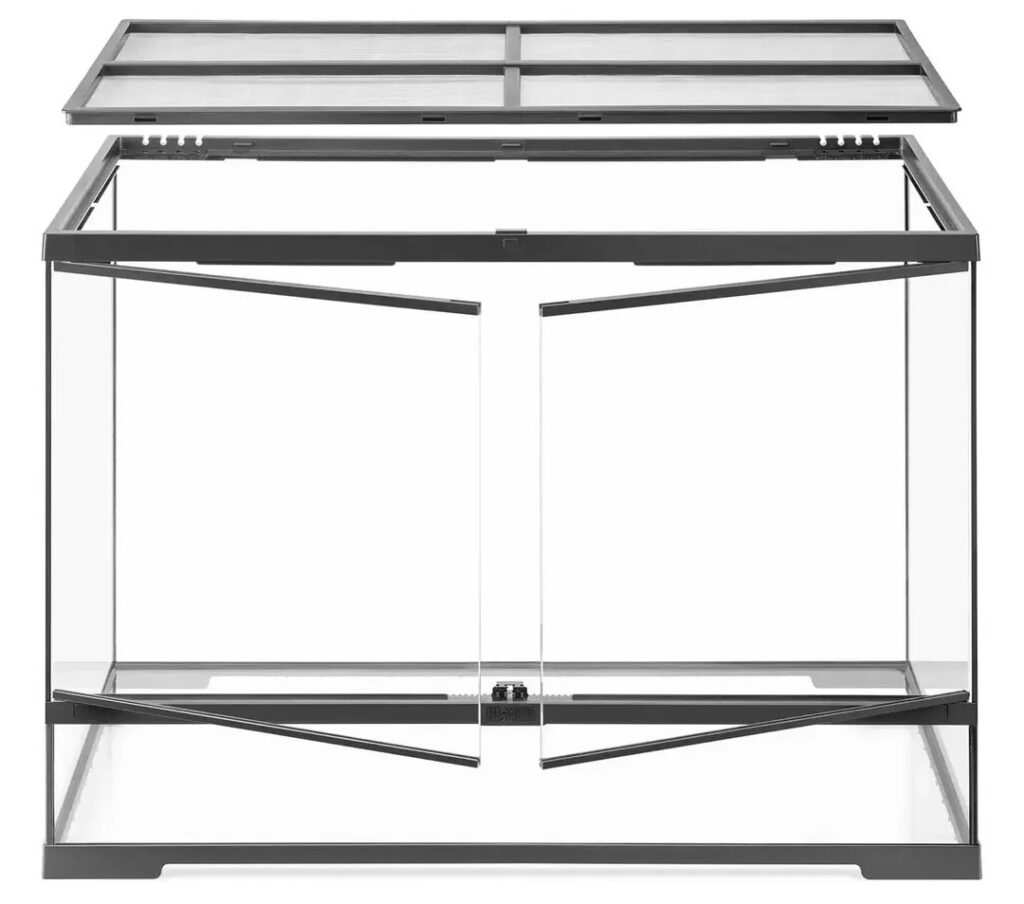
Front / Top Opening
- Front / Top Opening – If your enclosure opens from the top, you may need extra stands for light fixtures. Top access can also be more stressful for some reptiles, as it mimics a predator approaching from above. For these reasons, we generally recommend front opening enclosures.
- Lid / Screen – Consider whether lights will be mounted in the enclosure or on top. Thinner mesh lets more UVB through but may not support pets jumping on it. And some tanks use solid lids instead of mesh for internal mounting.
Substrates
The ground cover for reptiles is referred to as substrate. The main things to consider when choosing substrates are how they hold humidity, the animals’ ability to burrow, the cleanliness, and the safety if the substrate is ingested.
Solid Substrates
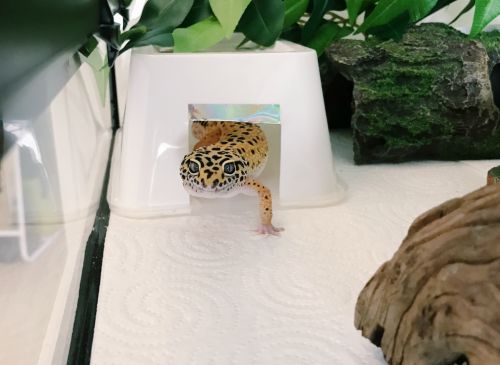
Paper towel
Cheap, sterile, and easily replaced, paper towel is a good substrate to quarantine new animals on, to use when monitoring health concerns, to watch for snake mites, or if an animal has any cuts or open wounds.
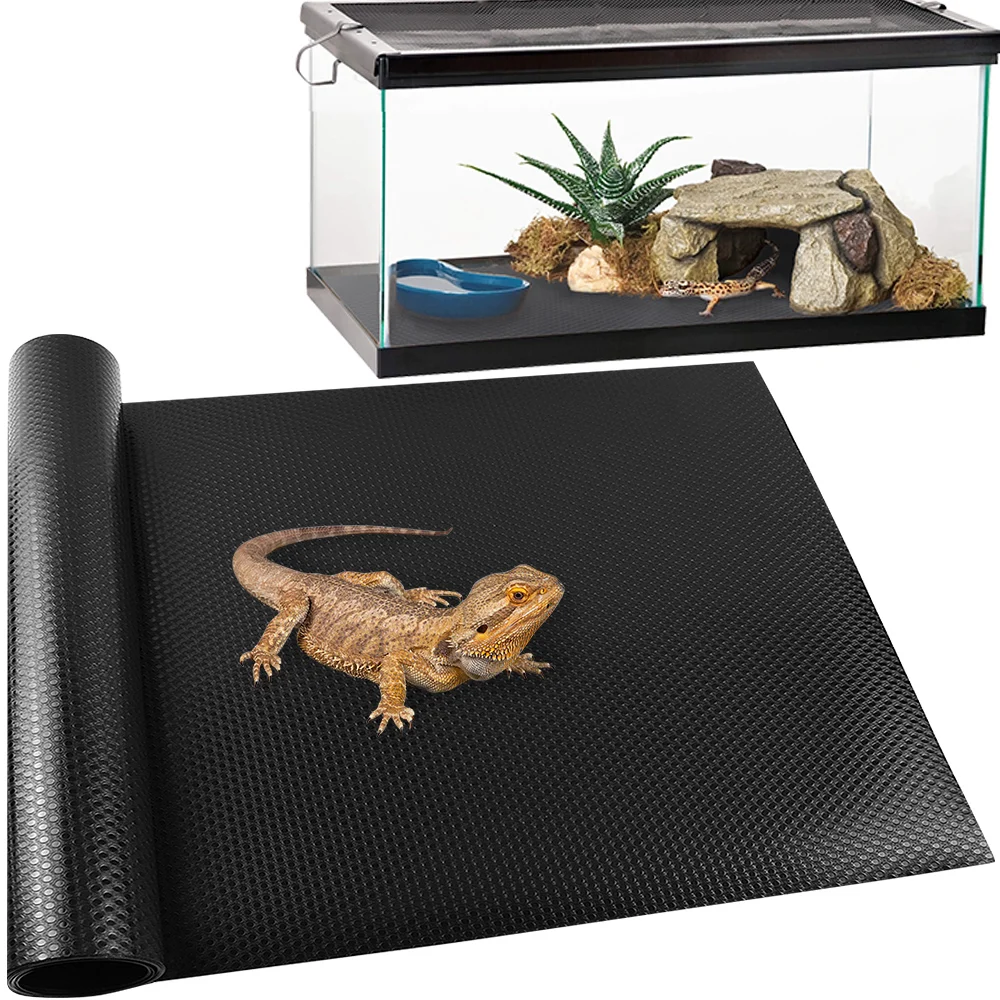
Non-Slip Rubber Mat Liners
Non-slip rubber liners are a safer, more cleanly alternative to the reptile carpet mats that are notorious for catching nails and holding onto bacteria. These non absorbent rubber liners are easy to clean and do not pose any risk of impaction the way that loose substrates often do.
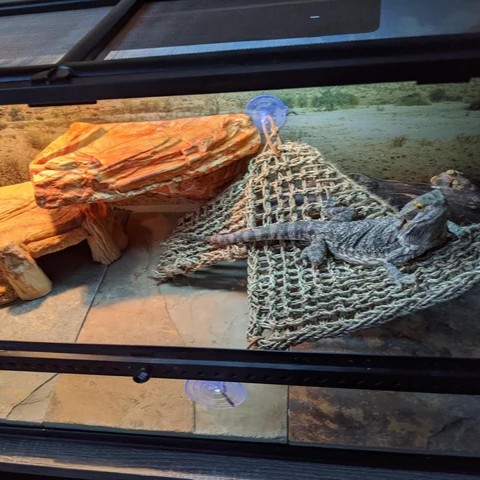
Slate Tiles
Generally the most favored option for solid substrates, tiles are not only easy to clean but they also help to keep nails filed down as well. They come in a variety of different colors and are the most naturalistic, rock-like substrate of any of the solid substrates.
Loose Substrates
DISCLAIMER: Impaction is a serious risk for reptiles, and loose substrates will harbor bacteria. If you choose a loose substrate, it must be completely replaced every six months. In the case of respiratory infections, mite infestations, or other health issues, temporarily switching to a solid substrate may be necessary.
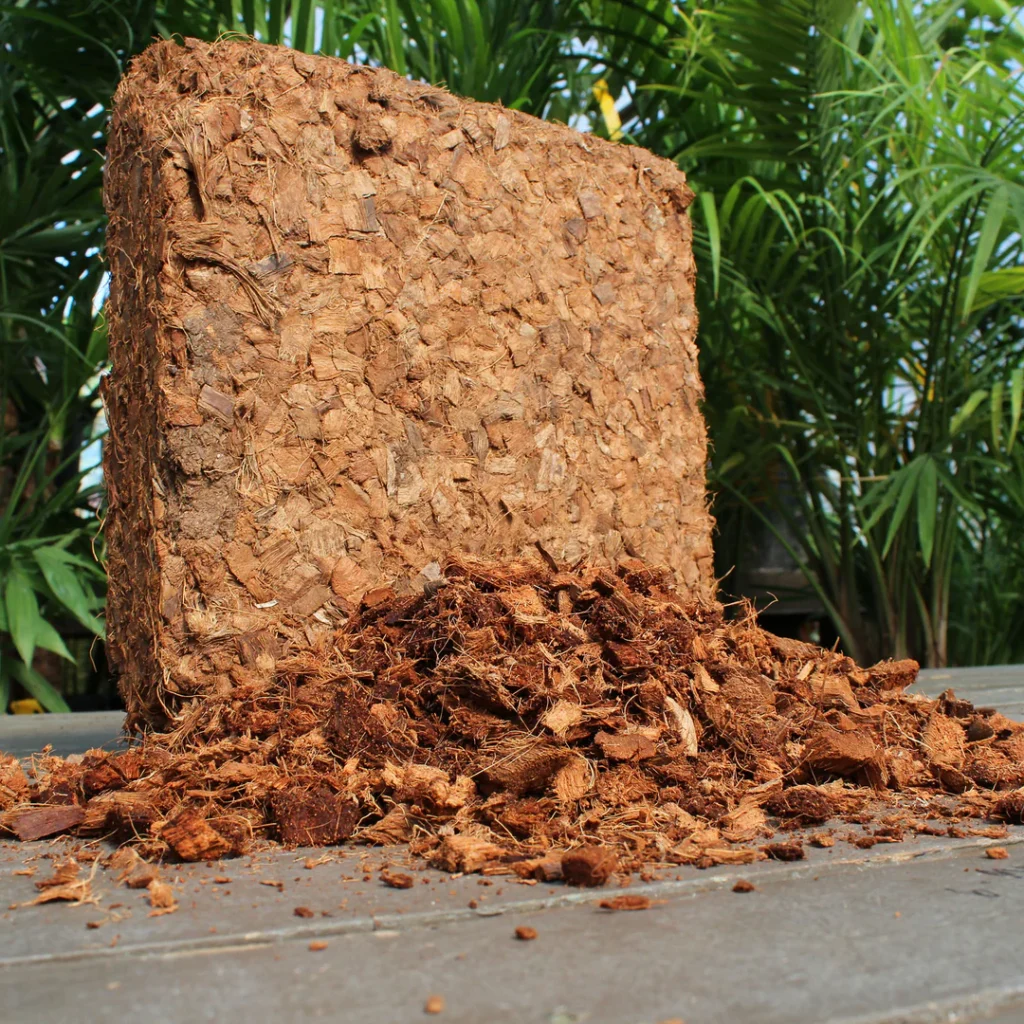
Coconut Chip / Reptichip
This substrate is one of our favorites because it does well holding humidity and holding burrows. It works well for tropical species, in a biotive mix, or even in more arid setups. Use it for snakes, tortoises, or more tropical lizards.
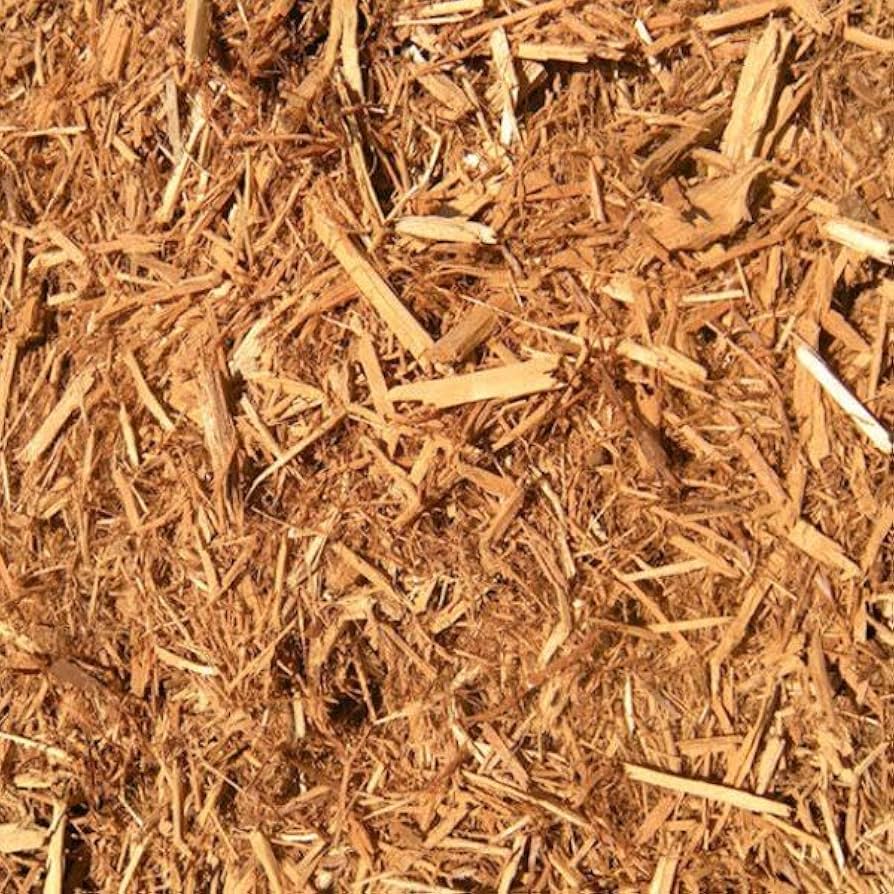
Cypress Mulch
Cypress mulch holds burrows and humidity decently well, though not quite as absorbent as coconut chips. It can be a little splintery and some pieces can be sharp. So why choose it? It’s much cheaper! It makes a good alternative if you may be replacing your substrate often. It can also be used in a bioactive mix.
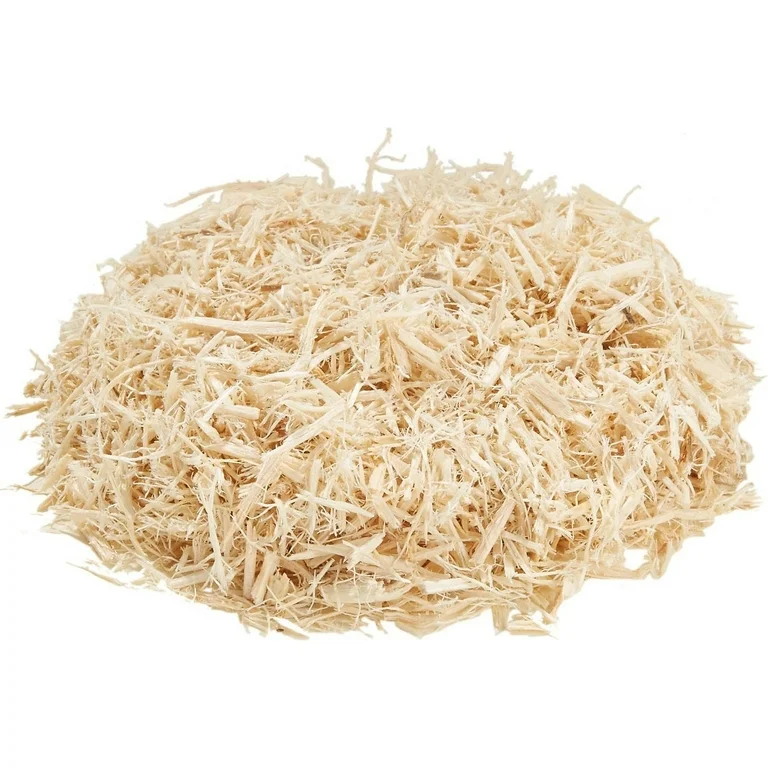
Aspen Snake Bedding
Aspen works great for more arid, burrowing snakes. It is cheap and holds burrows very well. However, never use aspen for any animal with higher humidity requirements. It is bad at holding moisture and often molds and festers bacteria as the humidity goes up.
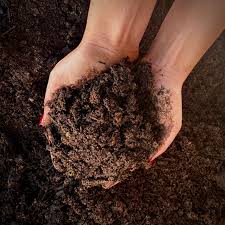
Organic Topsoil
When using topsoil with reptiles, it MUST be organic and non-toxic. We do not typically recommend topsoil as a standalone substrate as it gets muddy, compacts, and can be hard to clean. However, it can do well mixed with with mulch or mixed into a bioactive substrate mix.
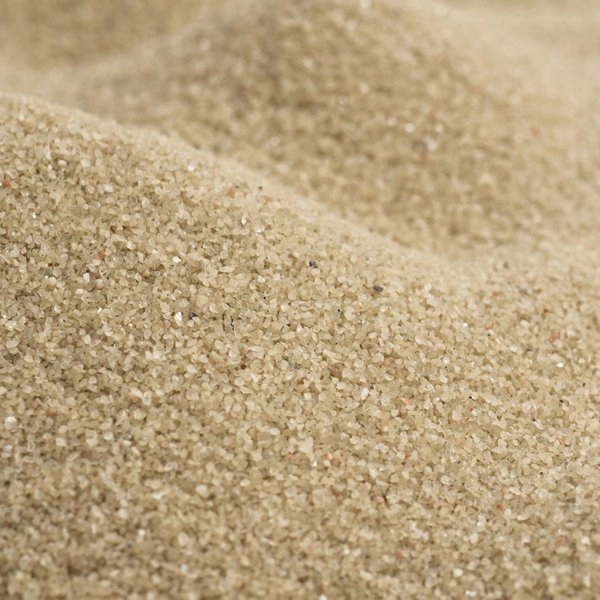
Sand
Sand is an option that we never recommend using on its own. Sand can be very damaging when ingested and it can get stuck in mouths or eyes. Most reptiles did not originate on sandy beaches, so let’s not give them a sand pit. Instead, sand can be used to help with drainage in more arid bioactive mixes.
Unsafe Substrates
In all instances we do NOT recommend the following substrates:
Reptile carpet, calcium sand, cedar and pine shavings, ground walnut shells, hay pellets, gravel, hamster bedding, corn cob bedding, and newspaper.
Heating, Lighting, & UVB
Remember that when choosing a heating method and wattage, the actual temperatures will vary greatly depending on tank size and distance from the heater to the animal. Also be mindful that different surfaces absorb or reflect heat differently.
Bulbs and UVB
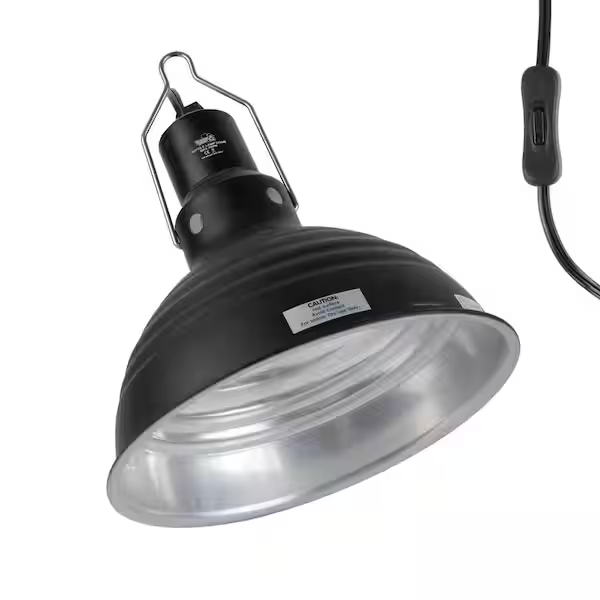
Dome Fixtures
Dome fixtures are the most common fixtures to screw bulbs into. We always advise keepers to purchase fixtures with a higher max wattage than the wattage of the bulb they are going to use. Generally speaking, larger fixtures also tend to help throw heat and light in a wider area.
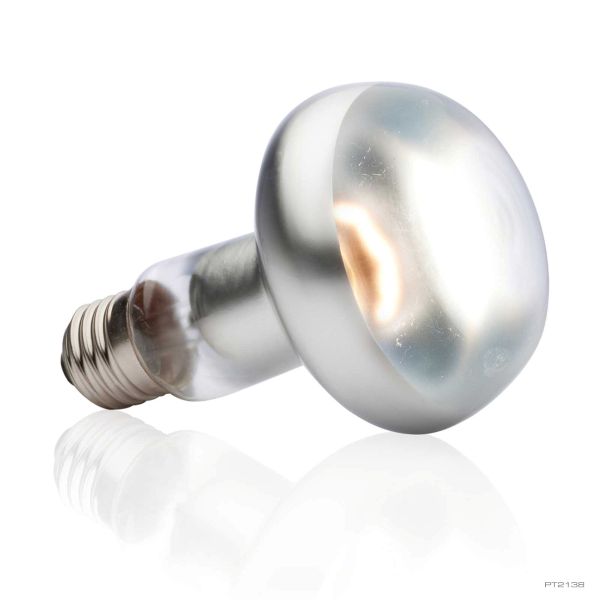
Basking Bulb
The standard heat bulb, this bulb’s main task is to offer heat and light during the day. These bulbs don’t need to be replaced until they burn out, and specific brands and bulb types don’t matter very much. The most important thing is to choose the appropriate wattage. Go with a white or daytime bulb, but DO NOT use red bulbs or any colored bulbs.
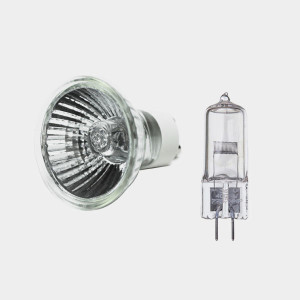
Halogen Bulbs
Halogen bulbs are the most efficient heat bulb and they only use a fraction of the electricity of an incandescent bulb. The downside is that many halogen bulbs project a very precise and limited area of heat so they do not do well in large enclosures. They work better for small tanks or basking spots. G9 Bi-Pin bulbs require unique fixtures.
UVB Strength: Generally speaking you can find UVB ranging from around 5%, which is safe for crepuscular animals, shade dwellers, or animals not requiring UVB, up to around 14% which is stronger for desert animals that bask in the sun and require UVB for D3 synthesis.
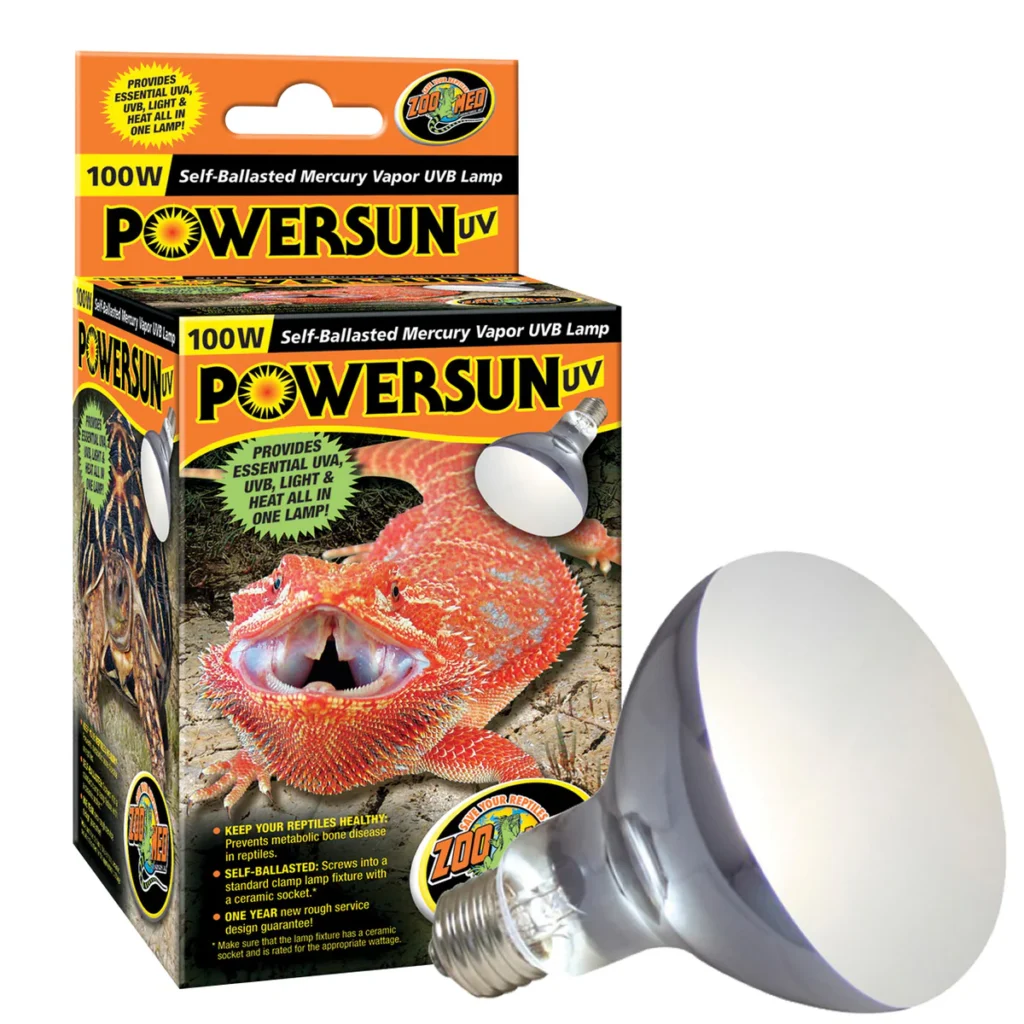
Powersun / UVA+UVB Bulbs
These bulbs combine the basking bulb and UVB bulb into one bulb. They are generally larger and higher wattage bulbs. The downside to them is they only throw UVB in one spot. If your animal spends a reasonable amount of time exploring the rest of their tank, they won’t get the UVB. Bulbs must be replaced every 12 months.
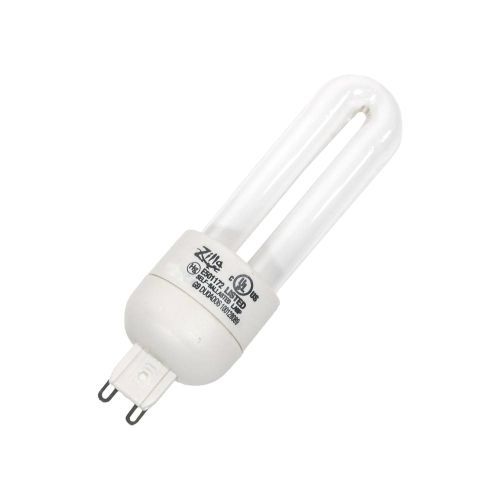
Fluorescent UVB
Though common, we rarely ever recommend this style of bulb because it throws UVB in very small area. For most animals linear UVB is superior, or even a Powersun bulb would be better than fluorescent UVB. We feel that this style is only suitable for animals that don’t require UVB, like geckos and snakes. Bulbs must be replaced every 6 months.
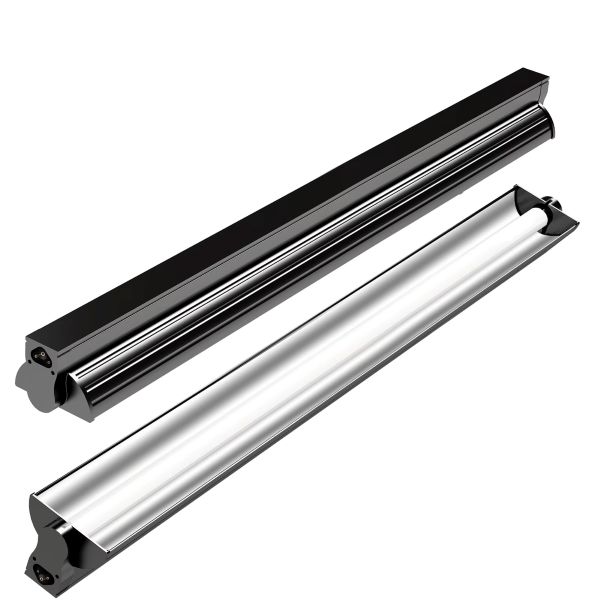
Linear UVB + Fixture
Linear UVB is the superior UVB option for all species. It throws UVB in a much larger space than any option that goes in dome fixtures. It is also short vertically, which allows you to mount the fixture inside of the tank. This is hugely beneficial as it gets the UVB closer to your animal which makes it stronger, and none of the UVB gets filtered out by the mesh screen the way that it does when set on top of the tank. Bulbs must be replaced every 6 months.
Heat Without Light
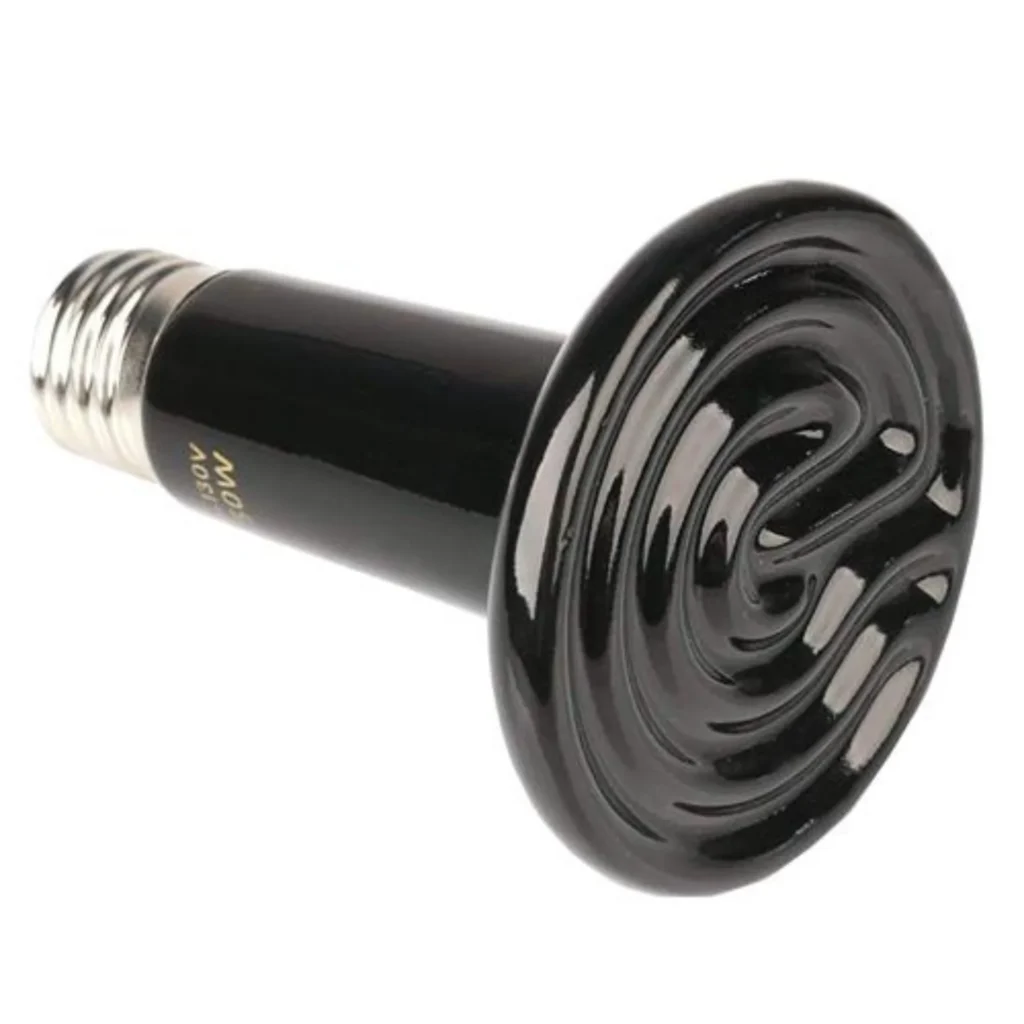
Ceramic Heat Emitter
Ceramic heat emitters (or CHEs) emit infrared-C to raise ambient. They are ideal for boosting temperatures in larger enclosures or for keeping enclosures warm both day and night. These heaters are offered in a variety of wattages and can be left on 24/7 to keep temps up at night.
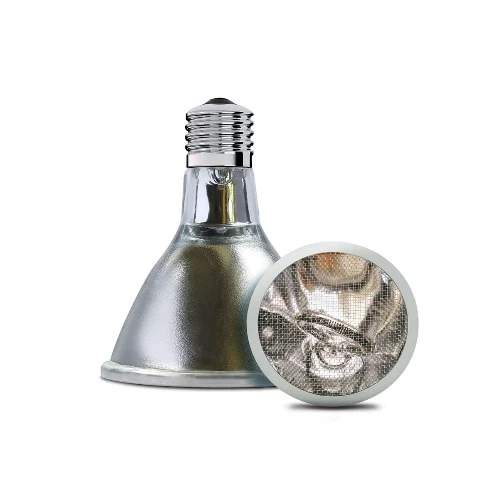
Deep Heat Projector
Similar to ceramic heat emitters, deep heat projectors (or DHPs) throw heat without any light. However, DHPs use Infrared A/B to cast a heat that penetrates more deeply for basking and deep tissue heating. While they are ideal for targeted deep heat, CHEs remain more efficient for ambient heat.
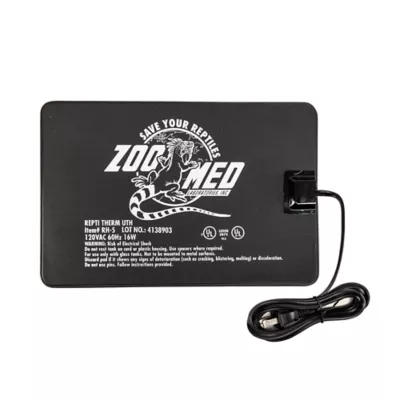
Heat Mats + Thermostats
Heat mats should NEVER be used without thermostats. We do not advise using heat mats as the primary heat source. Heat mats can also ONLY be used attached to the bottom side of glass enclosures, and they should never make direct contact with the animal. All of that being said, if used properly with a thermostat, heat mats can be used to raise the ambient temperatures of the ground, while the main heat should still be provided from above.
Additional Options
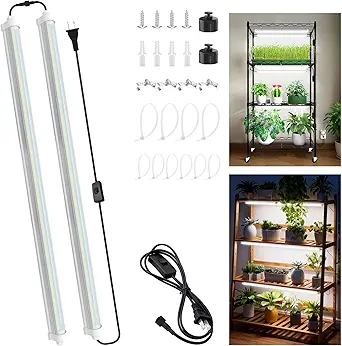
Full Spectrum LED
Full Spectrum LED, or grow lights, can be used in reptile enclosures to help encourage live plant growth and also to provide a more naturalistic spectrum of lighting. Reptiles can see a wider range of the lighting spectrum than humans can, so it’s worth considering they could benefit from more of the lighting spectrum. Just ensure the LEDs cast light that is somewhere from white to a warm tungsten. Nothing too colorful or unnatural to harm their day cycle.
Unsafe Lights & Heating
In all instances we do NOT recommend the following heating elements:
Do not use red bulbs, black lights, bulbs with wattage that is higher than the max wattage allowed on the fixture, heat rocks, heat mats without thermostats, heat mats for basking spots, improperly secured ceramic fixtures, and NEVER allow animals to be within a range that allows them to touch the heating element.
Supplementation
While there are some through lines with many reptiles and amphibians in regards to calcium and vitamin requirements, supplementation has to be researched on a species-by-species basis as individual needs and amounts needed vary greatly.
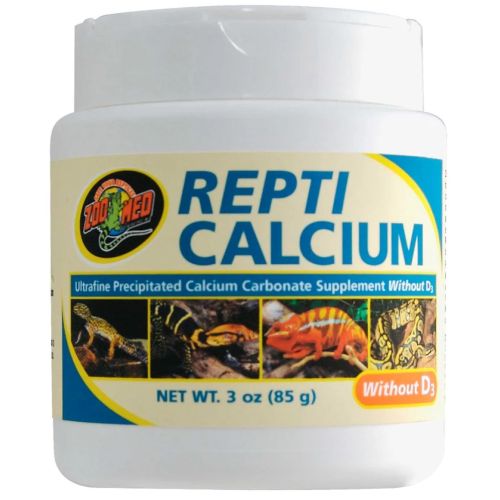
Calcium
Calcium (calcium carbonate) is required for ALL reptiles and amphibians, and most benefit from additional supplementation. Calcium support skeletal health, regulates nerve function, supports heart function, helps metabolic function, helps digestion, is vital for egg production, and much more.
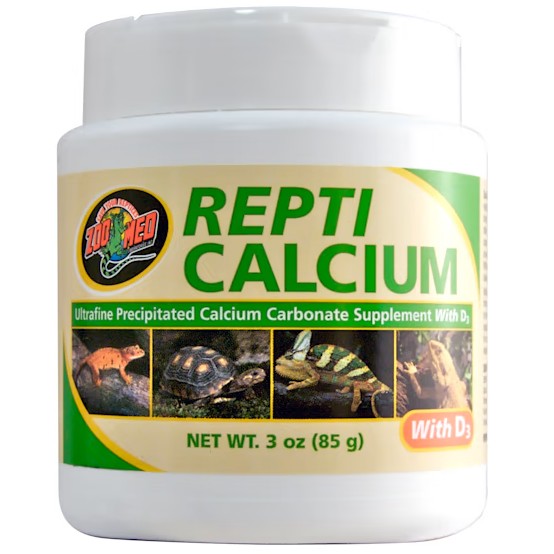
Vitamin D3
Vitamin D3 is required for calcium absorption, otherwise it passes through the digestive tract unused. Vitamin D3 can be naturally synthesized from the sunlight (or UVB in captivity) or it can come as a supplement in either calcium or a multivitamin. However, be cautious because D3 synthesized naturally from sunlight will self regulate itself, but D3 from supplements can easily be overdosed and lead to hypervitaminosis D.
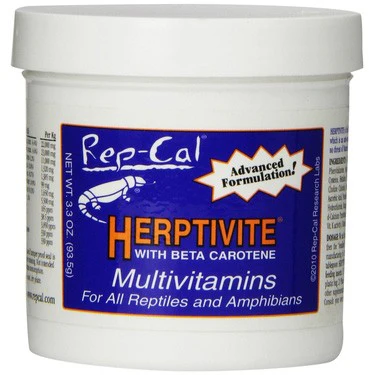
Reptile Multivitamin
Multivitamins are essential to the wellbeing of most reptiles and amphibians. The most important vitamins for them are D3, A, E, K, B-complex vitamins, and C. D3 is vital in calcium absorption and comes from sunlight. Vitamin A is very important for immune health, eye health, mucous in amphibians, and many other things. It is found in certain veggies and whole prey items, but not in insectivores which makes gut loading and multivitamins essential. Vitamin K helps in bone metabolism. B vitamins support metabolism and the nervous system. And vitamin C supports immune function. The specific needs for vitamin supplements will vary greatly per species and their diets.
Gut Loading
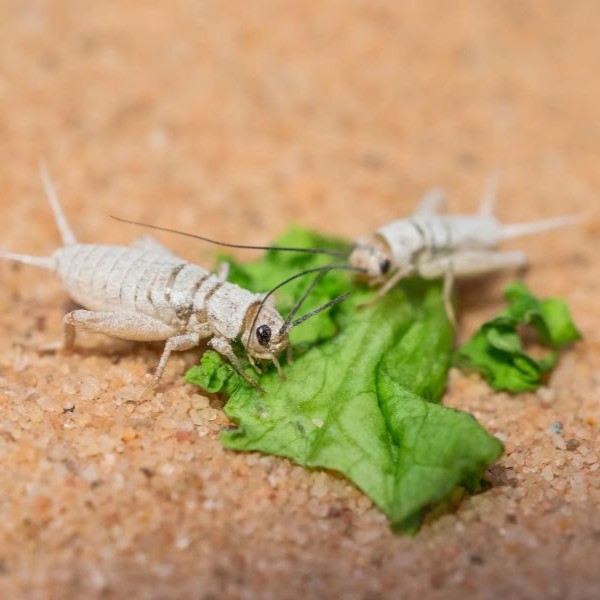
Gut loading is the process in which you feed your feeder insects healthy, vitamin rich diets so that those nutrients will get absorbed by your reptile or amphibian. Feed them dark leafy greens, vitamin A rich foods, and commercially available gut loading diets. Gut loading is useful for a few reasons, one of which is that if you have a purely insectivore, the only way they can get these vitamins is via their prey that don’t naturally have most of these vitamins. Also, through gut loading the vitamin absorption is better regulated, reducing the chance of hypervitaminosis.